Things were busy again in the Weber Lab! This summer and fall Leidy (PhD candidate) is working on the final chapter of her dissertation and preparing to submit more papers for publication. Meanwhile, she is waiting for the review of a short paper on the chromosome number characterization of several Triodanis species. She also published her second paper from her master's research earlier this year. If you are interested in vascular epiphytes or tropical flora, you can read it here: https://doi.org/10.21068/2539200X.1306.
Gabe (undergraduate researcher) has been involved in several projects. Wrapping up his summer at Missouri Botanical Garden’s REU, Gabe’s project focused on clarifying relationships in the enigmatic Casearia nigrescens complex (located in Madagascar) using morphological analysis. He got guidance from Dr. Wendy Applequist and Dr. Aaron Floden. Beginning spring semester, he’s starting his REACH project looking at herbarium specimens to find the impact of climate change on Legousia species endemic to the Mediterranean Basin.
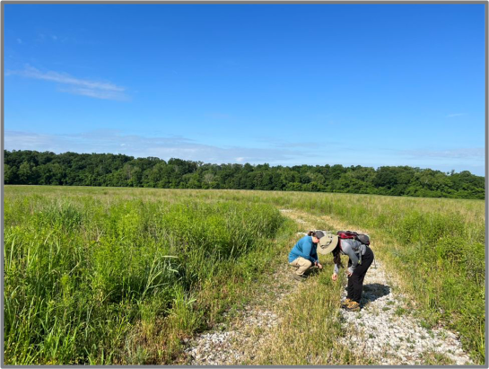
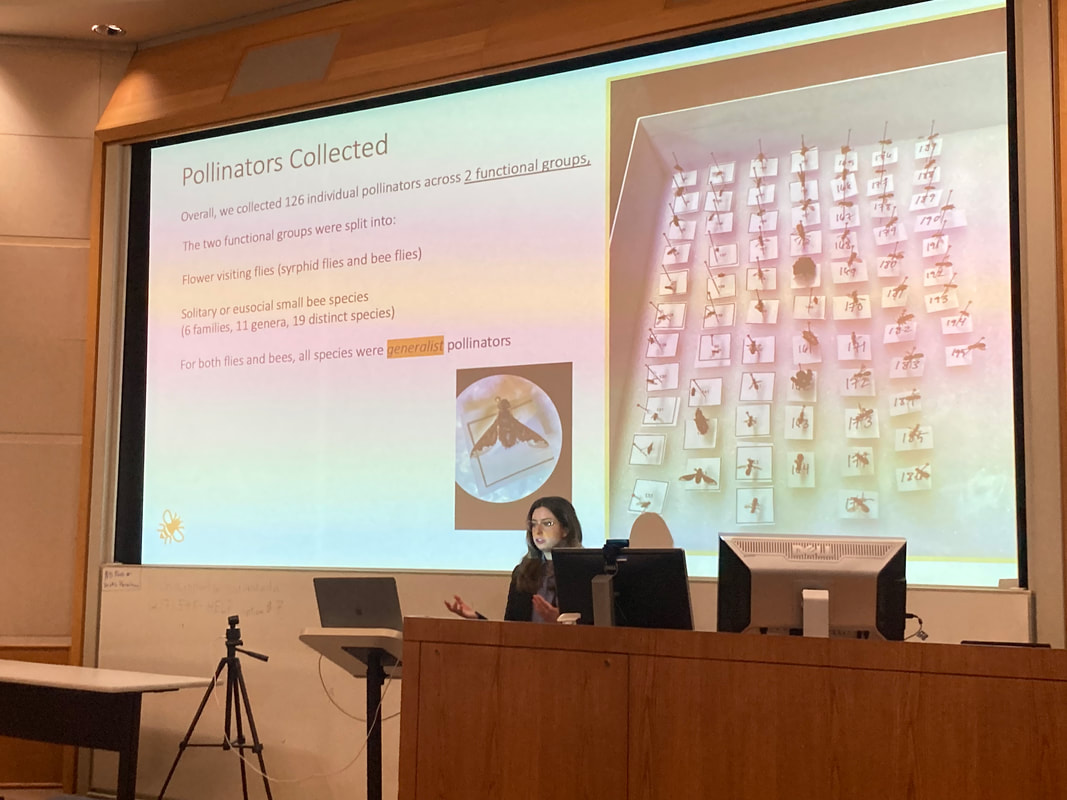
This summer, Holly (undergraduate researcher) completed a REACH project investigating the utility of mitochondrial DNA for resolving taxonomic complexities within Triodanis (co-advised with Dr. Neubig) and interned with the Illinois Department of Natural Resource Heritage Biologists, where she gained hands-on experience in land management, invasive species control, and natural history surveys across southern Illinois. She is now gearing up for DNA extractions from Dr. Weber’s European collections for future research, but she continues her collaborative work investigating the effects of prescribed fire on arthropod communities in southern Illinois tallgrass prairies with a particular focus on Formicidae (ants), as well as collecting fecal samples to investigate the arthropod diet of Archilochus colubris (Ruby Throated Hummingbird). Throughout the semester she plans to contribute to various projects and research needs across the Weber/Neubig Labs and the Center for Wildlife Sustainability Research labs.
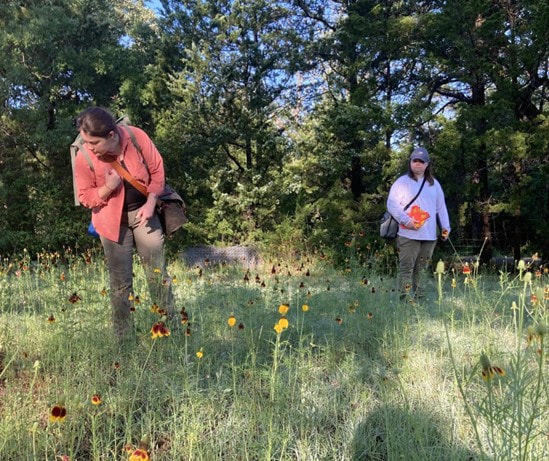
Dr. Weber decided to get busy too – she completed multiple weeks of fieldwork and herbarium visits in Europe as a part of a large NSF-funded collaborative project. Fieldwork was rewarding, though challenging, which is part of what makes it so fun. Those data should inform many ongoing and future projects in the lab.
Finally, the lab is excited to welcome new MS student, Andy Fernandez, who will be working on understanding phenological shifts and climate sensitivity in the NA clade including Triodanis and the Mediterranean clade Legousia.
Gabe (undergraduate researcher) has been involved in several projects. Wrapping up his summer at Missouri Botanical Garden’s REU, Gabe’s project focused on clarifying relationships in the enigmatic Casearia nigrescens complex (located in Madagascar) using morphological analysis. He got guidance from Dr. Wendy Applequist and Dr. Aaron Floden. Beginning spring semester, he’s starting his REACH project looking at herbarium specimens to find the impact of climate change on Legousia species endemic to the Mediterranean Basin.
This summer, Holly (undergraduate researcher) completed a REACH project investigating the utility of mitochondrial DNA for resolving taxonomic complexities within Triodanis (co-advised with Dr. Neubig) and interned with the Illinois Department of Natural Resource Heritage Biologists, where she gained hands-on experience in land management, invasive species control, and natural history surveys across southern Illinois. She is now gearing up for DNA extractions from Dr. Weber’s European collections for future research, but she continues her collaborative work investigating the effects of prescribed fire on arthropod communities in southern Illinois tallgrass prairies with a particular focus on Formicidae (ants), as well as collecting fecal samples to investigate the arthropod diet of Archilochus colubris (Ruby Throated Hummingbird). Throughout the semester she plans to contribute to various projects and research needs across the Weber/Neubig Labs and the Center for Wildlife Sustainability Research labs.
Dr. Weber decided to get busy too – she completed multiple weeks of fieldwork and herbarium visits in Europe as a part of a large NSF-funded collaborative project. Fieldwork was rewarding, though challenging, which is part of what makes it so fun. Those data should inform many ongoing and future projects in the lab.
Finally, the lab is excited to welcome new MS student, Andy Fernandez, who will be working on understanding phenological shifts and climate sensitivity in the NA clade including Triodanis and the Mediterranean clade Legousia.